Double eagle

Definition and stakes

G. W. Eve,  Heraldry as art: An account of its development and practice… (1907)

“ In the mediaeval period eagles were always shown on shields in the pattern-like displayed position, whether they were single or double headed, until Renaissance heraldry in its reversion to classic types introduced the eagle of the Roman Ensigns and Monuments, which thenceforth has had to be taken into account when eagles are described in blazon. Thus it is now necessary to state whether the bird is displayed, is close or is rising. An eagle is close when it stands in profile with its wings folded, and is rising when it stands in the same general position but with its wings raised. ”
Source: Gutenberg

Phoebe Allen,  Peeps at Heraldry

“ Eagles are of such wide and constant occurrence in heraldry that we cannot attempt to do justice to them here. A single eagle is borne by the Earls of Dalhousie and Southesk, and by seven families of Bedingfield. A double-headed eagle was rather a favourite charge, and coats of arms displaying as many as six eagles are very commonly met with. But an eagle blazoned "close" is a rare charge.5 Parts of an eagle, such as head, wings, talons, and legs often appear in armorial bearings as separate charges. ”
Source: Gutenberg

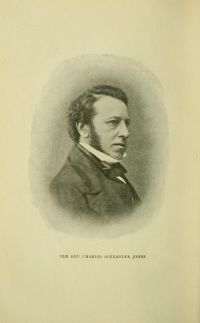
Portrait of C. A. Johns C. A. Johns,  British Birds in Their Haunts

“ Elevated on the high dead limb of some gigantic tree, that commands a wide view of the neighbouring shore and ocean, the great White-headed Eagle seems calmly to contemplate the motions of the various feathered tribes that pursue their busy vocations below. High over all these hovers one whose actions instantly arrest all his attention. By his wide curvature of wing, and sudden suspension in air, he knows him to be the Fish Hawk settling over some devoted victim of the deep. His eye kindles at the sight, and balancing himself with half-open wings on the branch, he watches the result. ”
Source: Gutenberg

Get perspective with Kwize: daily news enlightened by great literature