Double-entry bookkeeping

Definition and stakes

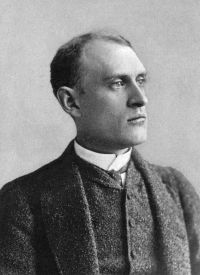
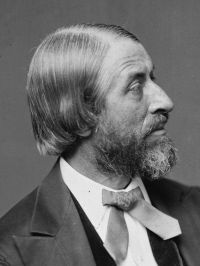
Portrait of Johann Wolfgang von Goethe Johann Wolfgang von Goethe,  The Works of J. W. von Goethe (1901–1902)

“ whilst I could not think of any man whose spirit was, or needed to be, more enlarged than the spirit of a genuine merchant. What a thing is it to see the order which prevails throughout his business! By means of this he can at any time survey the general whole, without needing to perplex himself in the details. What advantages does he derive from the system of bookkeeping by double entry! It is among the finest inventions of the human mind: every prudent master of a house should introduce it into his economy." ”
Source: Wikisource

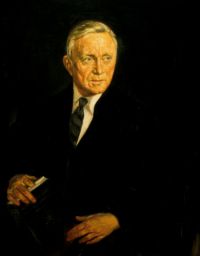
Roy B. Kester,  Accounting theory and practice… (1922)

“ They should be so full and so well arranged as to afford a ready information in every point for which they may be consulted.“ Single entry hardly measures up to these requirements, but there are places and circumstances where it gives results satisfactory enough. Bookkeeping has had a development contemporaneous with industrial life. Only simple records are needed so long as industries are simple, but with the increasing complexity of industrial enterprise, previous methods become inadequate. ”
Source: Gutenberg

James Duff Brown,  A handbook of library appliances (1892)

“ Much difference of opinion exists among librarians as regards the necessity for a double entry charging system, many experienced men holding that a simple record of the issues of a book is all that is required. Others are equally positive that a separate record of a borrower’s reading is only a logical outcome of the spirit of public library work, which aims at preserving, as well as compiling, full information touching public use and requirements. ”
Source: Gutenberg

Get perspective with Kwize: daily news enlightened by great literature