Draft (finance)

Definition and stakes

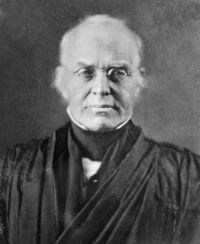
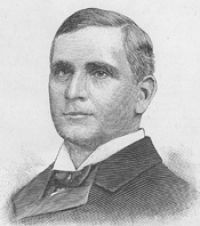
Portrait of Charles N. Fowler Charles N. Fowler,  Seventeen Talks on the Banking Question

“ In other words, what I want to impress upon you is that if the draft is the economic title to goods, which are moving from the producer to the consumer, the liability of a bank upon an acceptance is reduced to a minimum. Acceptances of drafts growing out of sales and shipments of goods will never be a source of dangerous expansion, because they will liquidate, or pay themselves out, as the goods will be wanted to eat, to wear, to use, or to go into other manufactures, almost immediately. ”
Source: Gutenberg

Roy B. Kester,  Accounting theory and practice… (1922)

“ Classification of Drafts.—There are several kinds of drafts, which may be either sight or time instruments. A draft drawn “at sight” is a request on the drawee to pay at sight, i.e., immediately upon presentation to him. The use of the sight draft in making collections is quite common. A delinquent customer is drawn on at sight and collection is attempted through the bank. The method is oftentimes effective because refusal to pay may reflect on the drawee’s credit with his own bank. Usually no formal book entry is made of such drafts [Pg 180] until paid. ”
Source: Gutenberg

Jerome Buell Lavay,  Disputed Handwriting

“ The simplest way of explaining the operation of raising a draft or check is as follows:
Two men are necessary for success at any given point, and hence they are not so liable to detection as if a number of confederates were engaged. It is the business of one of these men to enter a bank, and purchase a draft on New York City, for a certain amount of money, usually about fifteen hundred dollars, and a short time after this another draft would be procured from the same bank for a small amount, seldom over ten dollars.
”
Source: Gutenberg

Get perspective with Kwize: daily news enlightened by great literature