Duty of fair representation

Definition and stakes

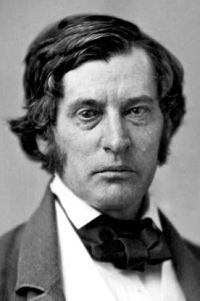
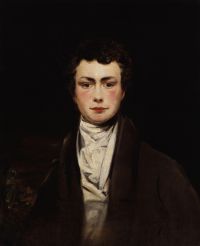
Portrait of John Stuart Mill John Stuart Mill Considerations on Representative Government (1861)

Man for man, they would be as fully represented as the majority. Unless they are, there is not equal government, but a government of inequality and privilege: one part of the people rule over the rest: there is a part whose fair and equal share of influence in the representation is withheld from them, contrary to all just government, but, above all, contrary to the principle of democracy, which professes equality as its very root and foundation.
Source: Gutenberg

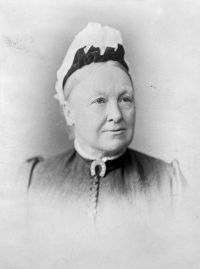
Portrait of Catherine Helen Spence Catherine Helen Spence An Autobiography

If the equality is actual in the representation of the citizens—truth and virtue, being stronger than error and vice, and wisdom being greater than folly, when a fair field is offered—the higher qualities subdue the lower and make themselves felt in every department of the State. But if the representation from defective machinery is not equal, the balance is overthrown, and neither education, talent, nor virtue can work through public opinion so as to have any beneficial influence on politics.
Source: Gutenberg

Get perspective with Kwize: daily news enlightened by great literature