Egg yolk

Definition and stakes

Various,  Donahoe's Magazine, Volume 15, No…

“ If the yolk be removed and dried, and the yellow oil separated, it will be found to form two-thirds of the substance. The whole weight in its natural state is about three hundred grains, of which three-fifths is water; of the white more than three quarters is water.
The yolk and albumen of a fecundated egg remains as sweet and free from corruption during the whole time of incubation as it is in new-laid eggs, and there is but little loss of water; whereas an unfecundated egg passes rapidly into putrefactive decay and perishes.
”
Source: Gutenberg

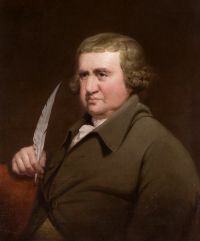
Portrait of Erasmus Darwin Erasmus Darwin,  Zoonomia; Or, the Laws of Organic Life…

“ The yolk of the egg is a still stronger or more nutritive fluid, which is drawn up into the bowels of the chick just at its exclusion from the shell, and serves it for nourishment for a day or two, till it is able to digest, and has learnt to choose the harder seeds or grains, which are to afford it sustenance. Nothing analogous to this yolk is found in the fetus of lactiferous animals, as the milk is another nutritive fluid ready prepared for the young progeny. ”
Source: Gutenberg

Mrs. S.T. Rorer,  Made-Over Dishes — Eggs (1908)

“ One of the ways of getting hard-boiled yolks, without wasting the whites, is to separate the white and the yolk before the egg is cooked; drop the yolk down into a kettle of boiling water; then stand on the back part of the stove for fifteen or twenty minutes until it is hard. The yolk will cook in this way just as well as with the white in the shell. Now, you have the uncooked whites, which may be used for a simple white cake, apple float, soufflés, plain or with fruit. ”
Source: Wikisource

Get perspective with Kwize: daily news enlightened by great literature