Electrical cable

Definition and stakes

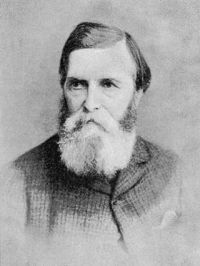
Portrait of Nikola Tesla Nikola Tesla,  The Problem of Increasing Human Energy with special references to the harnessing of the Sun's energy (1900)

“ The greater the spaces to be bridged, the more rational becomes communication without wires. The cable is not only an easily damaged and costly instrument, but it limits us in the speed of transmission by reason of a certain electrical property inseparable from its construction. A properly designed plant for effecting communication without wires ought to have many times the working capacity of a cable, while it will involve incomparably less expense. ”
Source: Wikisource

Various,  Chambers's Journal of Popular Literature…

“ Only the conductor and the insulator are concerned in the electrical requirements of the cable.
The conductor is invariably of copper wire, that metal being chosen because, next to silver, which is of course too expensive, it is the best metallic conductor of electricity. The metals, as distinguished from most other minerals, are excellent conductors of electricity; that is to say, they oppose relatively less resistance to the passage of the electric current through their mass. There is an economy of power in using a good conductor for the telegraphic line.
”
Source: Gutenberg

N. Hawkins,  Hawkins Electrical Guide v. 04…

“ Armoured Cable Wiring.—Where a conduit system cannot be conveniently installed, armoured cable is used. Armoured cable is made by winding steel strips over the insulated conductors, the latter being permanently retained inside the steel casing. Armoured cable is manufactured in long lengths, the actual lengths being determined by convenience in handling. ”
Source: Gutenberg

Get perspective with Kwize: daily news enlightened by great literature