Element (philosophy)

Definition and stakes

Portrait of Joseph Dietzgen Joseph Dietzgen,  The Positive Outcome of Philosophy

“ If we refer to phenomena of sense perception as forces of matter in general, then this generalized matter is nothing but an abstract conception. But if we mean by the term sense perception the various concrete substances, then the general element which embraces the differences of things and pervades and controls them is force producing concrete effects. And whether we say matter or force, the mental which science is studying, not with its hands, but with its brain, the so-called essence, nature, cause, ideal, superior or spiritual, is the generality comprising the special things. ”
Source: Gutenberg

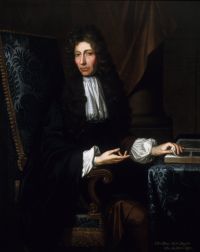
Duchess of Margaret Cavendish Newcastle,  Philosophical Letters: or, modest Reflections upon some Opinions in Natural Philosophy

“ Neither can I admit in reason that the Elements should be called, first, pure, and simple beings; we might as well call all other creatures, first, pure, and simple beings: for although the word Element sounds as much as Principle, yet they are in my reason no more Principles of Nature, then other Creatures are, there being but one Principle in Nature, out of which all things are composed, viz. the onely matter, which is a pure and simple corporeal substance ”
Source: Gutenberg

Portrait of ʻAbdu'l-Bahá ʻAbdu'l-Bahá,  Paris Talks

“ Scientific philosophy has demonstrated that a simple element (‘simple’ meaning ‘not composed’) is indestructible, eternal. The soul, not being a composition of elements, is, in character, as a simple element, and therefore cannot cease to exist. ”
Source: Gutenberg

Get perspective with Kwize: daily news enlightened by great literature