Equestrian order

Definition and stakes

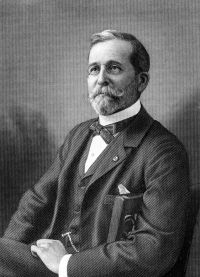
Portrait of Samuel de Champlain Samuel de Champlain,  Voyages of Samuel De Champlain…

“ The picturesque dress of the workmen, with their clean white frocks and linen tights; the horses in great numbers mantled in their showy salt-bags, winding their way on the narrow platforms, moving in all directions, turning now to the right hand and now to the left, doubling almost numberless angles, here advancing and again retreating, often going two leagues to make the distance of one, maintaining order in apparent confusion, altogether presented to the distant observer the aspect of a grand equestrian masquerade. ”
Source: Gutenberg

Henry L. de Bussigny,  Equitation (1922)

“ It is necessary for this figure that the horse's education shall be somewhat advanced, in order that the curve of the spine may conform to that of the path. When, in addition to this, the flexion has to reverse with each new circle, the difficulty is much increased, so that the figure demands great suppleness in, and perfect collection on the part of, the horse, and for the rider an equestrian tact sufficient to enable him to reverse his effects at each change of circle without disturbing the equilibrium of his mount. ”
Source: Wikisource

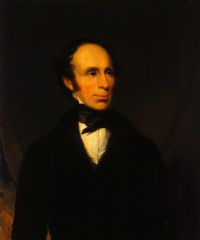
Portrait of George Dodd George Dodd,  The History of the Indian Revolt and of the Expeditions to Persia…

“ The horseman, when he adopts the equestrian system, accomplishes from twelve to twenty miles a day: sending on his servants one march or day in advance, with tent, bedding, tent-furniture, canteen, &c., in order that they may have a meal ready for the traveller by the time he arrives. They daily buy fodder, fowls, eggs, milk, rice, fruit, or vegetables at the villages as they pass through; the traveller, if a sportsman, aids the supply of his larder with snipe, wild-fowl, quail, partridges, hares, jungle-cocks, or bustard ”
Source: Gutenberg

Get perspective with Kwize: daily news enlightened by great literature