A curb, the raised edge where a sidewalk meets a road, functions as a boundary in urban design, affecting both movement and safety. Introduced in 18th-century London, curbs transitioned from wooden bollards to concrete structures, addressing drainage, accessibility, and pedestrian safety.
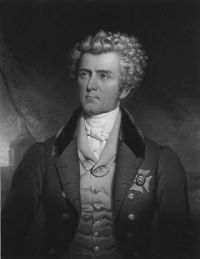
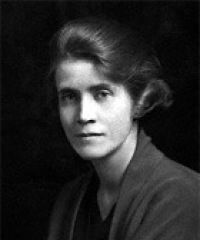
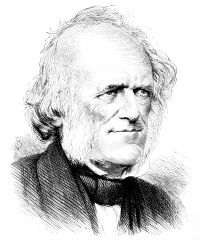
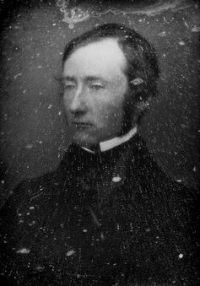
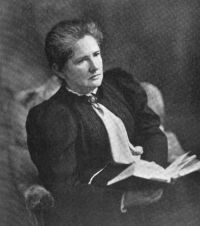
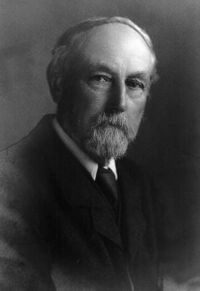
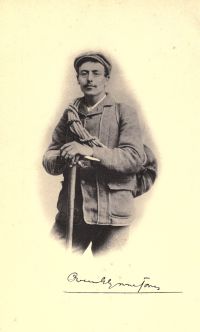
Authors such as George Greenwood and Sir Francis Bond Head examined curbs in the context of equestrian use, underscoring their role in managing horses through reins and chains, while Samuel Whinery concentrated on their engineering value in street pavements. These differing viewpoints illustrate curbs as both a practical component of infrastructure and a means of controlling the flow of vehicles, pedestrians, and animals.