“ One mode of faith-healing in modern days, which passes under the remarkable name of Christian Science, is probably nothing more than mental suggestion under another name. “The patient is told to be calm, and is assured that all will go well; that he must try to aid the healer by believing that what is told him is true. The healer then, quietly but firmly, asserts and reiterates that there is no pain, no suffering, that it is disappearing, that relief will come, that the patient is getting well.” ”
Faith healing
Definition and stakes
Faith healing encompasses practices involving prayer, gestures, or rituals believed to invoke divine intervention in physical or spiritual restoration, primarily within Christian traditions. Proponents claim that faith, through divine grace or the Holy Spirit, can bring about cures, while scientific communities generally reject such assertions as pseudoscience. Historically, faith healing has been closely linked to religious scriptures, such as the New Testament’s descriptions of Jesus and Paul healing the sick, and it continues to be a topic of discussion between spiritual belief and empirical proof.
Scholars like Northcote Whitbridge Thomas associated Christian Science with mental suggestion, while Charles Henry Brent highlighted faith's role in reshaping scientific healing into a sacramental experience. Saint Thomas Aquinas tied healing grace to faith's ability to inspire conviction, and George Barton Cutten observed the variety of mental healing approaches based on uncritical suggestion. Despite differing perspectives, the evidence reveals an enduring conflict between spiritual belief and the lack of scientific confirmation, illustrating how faith healing reflects both cultural religiousness and the dangers of favoring belief over medical treatment.
Quotes about “faith healing”
Margaret Bertha Synge, A Short History of Social Life in England (1906)
“ Faith healing still played a large part in the cure of Middle Age maladies, and so deeply-rooted was the idea that prayer and intercession, combined with a concoction of herbs from the monastery gardens, would heal the sick, that it was deemed a want of faith to employ other remedies. "It is better," they said, "to fall into the hands of God than into the hands of men," a beneficial reflection, when one considers for a moment what the "hands of men" meant. ”
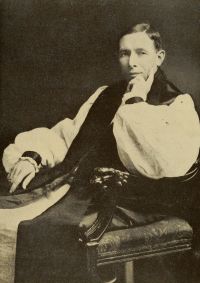 Charles Henry Brent,
The Sixth Sense: Its Cultivation and Use
Charles Henry Brent,
The Sixth Sense: Its Cultivation and Use
“ Faith, which is simply the highest operation of the mystic sense, is as necessary to the complete work of healing as in the days when Jesus said, “According to thy faith be it unto thee.” It appropriates to the full the remedial contents of scientific agencies which, under its touch become sacramental, and clothes the life in the soft robe of unanxious peace and serene cheerfulness. It is easy enough for a well man to talk to the sick concerning the desirability and curative value of a therapeutic consciousness. ”




Related terms
Authors who wrote about “faith healing”
Northcote Whitbridge Thomas Martin LutherAndrew Murray
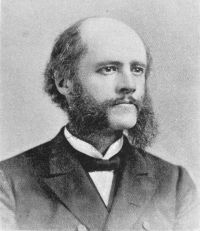 James Monroe Buckley
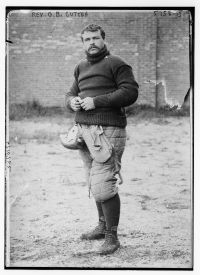 George Barton CuttenMary Cole
 Alexander Maclaren
 Mary Baker Eddy
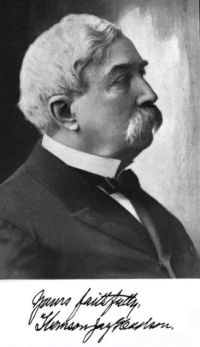 Thomson Jay Hudson
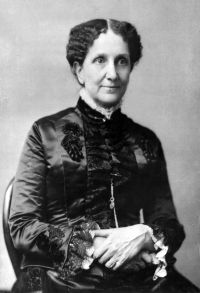 Mary Baker G. Eddy
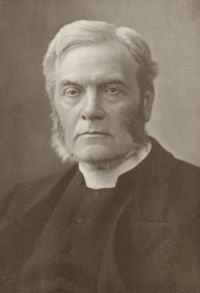 Marcus Dods
 Helen Schucman
 Johann ArndtZenas Osborne
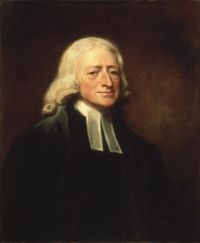 John Wesley
 John Bunyan
 Thomas Aquinas
 Brigham Young
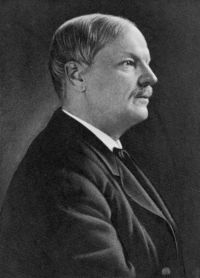 Robert Means LawrenceHomer Gage
Martin LutherAndrew MurrayJames Monroe BuckleyGeorge Barton CuttenMary ColeAlexander MaclarenMary Baker EddyThomson Jay HudsonMary Baker G. EddyMarcus DodsHelen SchucmanJohann ArndtZenas OsborneJohn WesleyJohn BunyanThomas AquinasBrigham YoungRobert Means LawrenceHomer Gage