Freedom of will

Definition and stakes

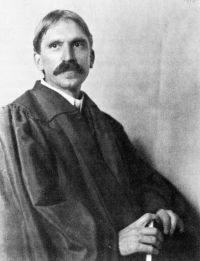
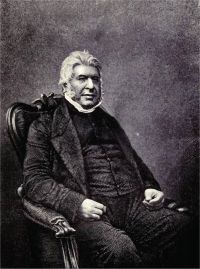
Portrait of John Dewey John Dewey,  Human Nature and Conduct: An introduction to social psychology

“ The significance of the traditional discussion of free will is that it reflects precisely a separation of moral activity from nature and the public life of men.
One has to turn from moral theories to the general human struggle for political, economic and religious liberty, for freedom of thought, speech, assemblage and creed, to find significant reality in the conception of freedom of will. Then one finds himself out of the stiflingly close atmosphere of an inner consciousness and in the open-air world.
”
Source: Gutenberg

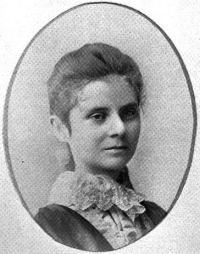
Portrait of Helen Hunt Jackson Helen Hunt Jackson,  Bits about Home Matters

“ But, by one escape or another, the will, the soul, goes free. Sooner or later, every human being comes to know and prove in his own estate that freedom of will is the only freedom for which there are no chains possible, and that in Nature's whole reign of law nothing is so largely provided for as liberty. Sooner or later, all this must come. But, if it comes later, it comes through clouds of antagonism, and after days of fight, and is hard-bought. ”
Source: Gutenberg

Get perspective with Kwize: daily news enlightened by great literature