Freedom (philosophy)

Definition and stakes

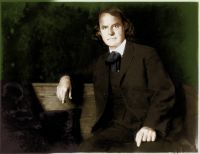
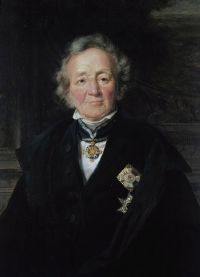
Portrait of Georg Wilhelm Friedrich Hegel Georg Wilhelm Friedrich Hegel,  Hegel's Lectures on the History of Philosophy…

“ What does concern us is this, that thereby there should come into consciousness as content the sense that man has liberty in his spirit as the altogether absolute, that free-will is the Notion of man. Freedom is just thought itself; he who casts thought aside and speaks of freedom knows not what he is talking of. The unity of thought with itself is freedom, the free will. ”
Source: Gutenberg

Portrait of James Frederick Ferrier James Frederick Ferrier,  An Introduction to the Philosophy of Consciousness (1883)

“ Thus, then, we have now shown in what way a correct conception of human liberty is to be framed; or, in other words, we have pointed out the grounds upon which man's freedom is possible. It is possible, because the particular act described as identical and convertible with it, namely, an act of determinate antagonism against the natural or unconscious man, can, at any rate, be conceived. But admitting that it may be conceived, we must now ask, Is it also practised? Is Human Liberty actual as well as possible? ”
Source: Wikisource

Get perspective with Kwize: daily news enlightened by great literature