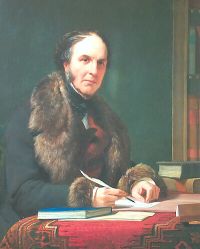
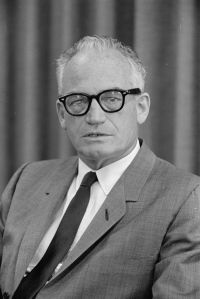
Full employment refers to an economic condition in which cyclical unemployment does not exist, permitting the presence of structural and frictional unemployment. Economists such as John Maynard Keynes criticized societies unable to attain this goal, while Nassau William Senior and John Stuart Mill analyzed labor conditions and wage fluctuations.
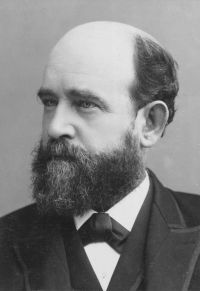
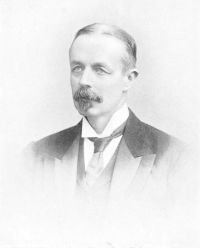
Hugo Black and William Amias Bailward emphasized the instability of employment arrangements, and Henry George investigated labor market balance. Together, these viewpoints highlight full employment as a multifaceted and debated concept, reconciling economic stability with the actualities of the labor market.
 John Maynard Keynes,
The General Theory of Employment…
(1936)
John Maynard Keynes,
The General Theory of Employment…
(1936)