Funeral feast

Definition and stakes

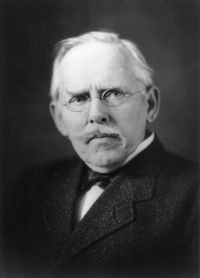
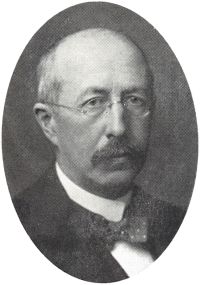
Portrait of Sabine Baring-Gould Sabine Baring-Gould,  A Book of Dartmoor (1900)

“ After a funeral it is natural enough for the mourners to dream of the dead, and they at once conclude that they have been visited by his revenant. After a funeral feast—a great gorging of pork or beef—it is very natural that the sense of oppression and pain felt should be associated with the dear departed, and should translate itself into the idea that he has come from his grave to sit on the chests of those who have bewailed him. ”
Source: Wikisource

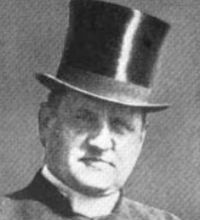
William Crooke,  The Popular Religion and Folk-Lore of Northern India…

“ The funeral feast is evidently a survival of the feast when the dead kinsman was consumed by his relatives, who [66] wished thus to partake of the properties of the dead. By another theory the feasting of the mourners is intended to resist the attempt of the ghost of the dead man to enter their bodies, food being offensive to spirits. ”
Source: Gutenberg

T. F. Thiselton-Dyer,  Folk-lore of Shakespeare

“ Pray you, mistress, a soul cake.” [745]
In the North of England the funeral feast is called an “arval,” and the loaves that are sometimes distributed among the poor are termed “arval bread.”
Among other funeral customs mentioned by Shakespeare, may be mentioned his allusion to the burial service. Originally, before the reign of Edward VI., it was the practice for the priest to throw earth on the body in the form of a cross, and then to sprinkle it with holy water.
”
Source: Gutenberg

Get perspective with Kwize: daily news enlightened by great literature