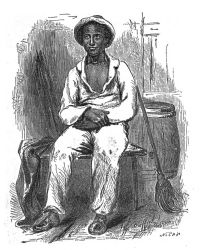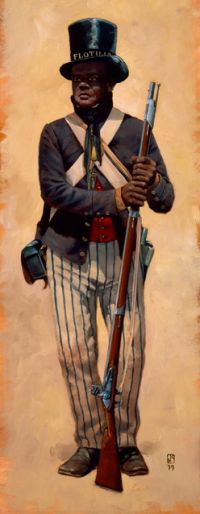
Galley slave

Definition and stakes

Portrait of Marie Louise de la Ramée Marie Louise de la Ramée,  In Maremma (1882)

“ In these primeval woods, in these wild untrodden recesses of the almost barbaric isle, the galley-slave was safer than kings are on their thrones. He was once more happy; he sent at pleasure a ball from his rifle down the azure depths of the air; he drank deep and drank often; he had a long fine dagger in his belt; he had danger, plunder, bloodshed, the three things that made the daily bread that he had pined for and hungered for as the first food of life; he felt once more to have hold on his manhood which they had done all they knew to chain down and cudgel out of him. ”

Source: Wikisource

Portrait of Eugène Sue Eugène Sue,  The Galley Slave's Ring; or, The Family of Lebrenn

“ I, a poor man, dragging a galley-slave's chain, the very same as, fifteen hundred years ago, my forefathers wore the slave's iron ring. Your party is powerful and influential. It enjoys the good wishes and would, at a pinch, enjoy the material support of the monarchists of Europe. It owns wealth; it has the clergy on its side; furthermore, the waverers, the camp-followers, the cynics, the ambitious of all previous regimes, have rallied to your side in the fear that popular sovereignty inspires them with. ”
Source: Gutenberg

Get perspective with Kwize: daily news enlightened by great literature