Hay cart

Definition and stakes

P. G. Patmore,  Mirror of the Months

“ Now, the high-piled Turnip cart is seen labouring along the narrow lanes, or stands ready with its white load in the open field, waiting to be borne to the expectant Cattle that are safely stalled and sheltered for the season; while, for the few that are still permitted to remain at the mercy of the inclement skies, and to make their unwholesome bed upon the drenched earth, the moveable Hay-rack is daily filled with its fragrant store, and the open shed but poorly supplies the place of the warm and well-roofed stalls of the Straw-yard. ”
Source: Gutenberg

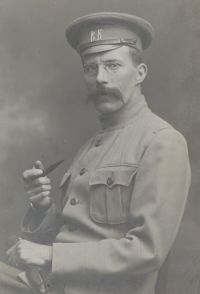
Portrait of Arthur Ransome Arthur Ransome,  The Child's Book of the Seasons

“ But when the hay is dry and ready in big, lumpy haycocks, the Imp and the Elf shout for joy to see old Susan harnessed to the big waggon come lumbering into the field, and to see the men throw the huge bundles of hay into the cart. One man stands amid the hay in the waggon and takes each new bundle as soon as it is pitchforked up, and packs it neatly with the hay already there. ”
Source: Gutenberg

Various,  Encyclopaedia Britannica, 11th Edition…

“ In the treacherous climate of Great Britain hay is frequently spoiled because the weather does not hold good long enough to permit of its being properly “made.” Consequently many experienced haymakers regard a moderate crop as the more profitable because it can be stacked in first-class condition, whereas a heavy crop forced by “high farming” is grown at a loss, owing to the weather waste and the heavier expenses involved in securing it.
In handling or marketing out of the stack hay may be transported loose on a cart or wagon, but it is more usual to truss or bale it.
”
Source: Gutenberg

Get perspective with Kwize: daily news enlightened by great literature