Historical criticism, a branch of literary and biblical scholarship, examines the origins and historical contexts of ancient texts, especially religious ones such as the Bible, in order to uncover their original meanings and intentions. This approach emphasizes contextual analysis over doctrinal interpretation, aiming to postpone judgments about a text's truth until after a thorough investigation of its historical, cultural, and textual dimensions.
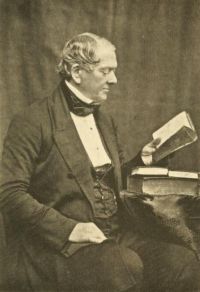
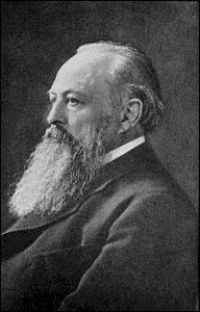
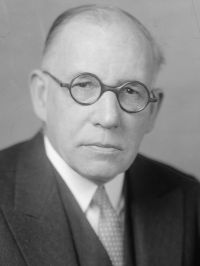
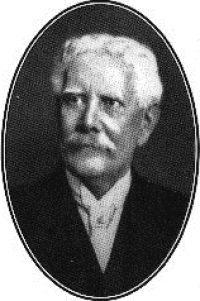
Scholars like Edward Gaylord Bourne pointed out the tension between creative reconstructions and factual precision in historical narratives, while Octave Delepierre stressed the importance of academic objectivity in favor of substantiated evidence. S. P. Scott highlighted the difficulties of separating historical accounts that are tainted by bias and incomplete records. By integrating these perspectives, historical criticism demonstrates how texts are influenced by their era, providing a link between past realities and contemporary understandings.
 George Edward Woodberry,
Studies in letters and life
(1890)
George Edward Woodberry,
Studies in letters and life
(1890)