Honeydew

Definition and stakes

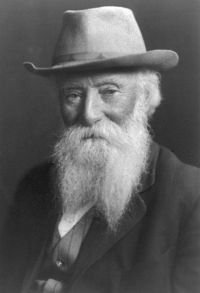
Portrait of William Miles Maskell William Miles Maskell,  An Account of the Insects Noxious to Agriculture and Plants in New Zealand

“ From this result two things, or, rather, the same injurious effect on the plant is produced in two ways. First, the honeydew itself, being, as stated, of a glutinous nature, tends to stop up and choke the stomata (or, in plain English, the breathing-orifices of the leaves) and so retard the growth of the tree. Secondly, the honeydew, being of a saccharine nature, is especially attractive to fungoid growths, and these fungi, rapidly increasing, tend still more to choke the leaves and hamper the proper functions of the tree. ”
Source: Gutenberg

Popular Science Monthly (1877)

“ This view is rendered probable by the leaves of some trees excreting, under certain climatic conditions, without the aid of special glands, a saccharine fluid, often called honey-dew." In the mountains of North Carolina there is a species of honeydew eagerly sought for by bees, which is rarely seen by persons who have written of it, and is by many supposed to be a myth ”
Source: Wikisource

James W. Lee,  The Making of a Man

“ The bee appropriates the honeydew that covers the surface of the leaves, stores it in his cell, and eats it in the winter; but who ever knew bees to plant out trees in order that there might be leaves from which to secure honeydew? Man finds the bananas that grow in the tropics, and the berries that grow in the temperate zones, and eats them ”
Source: Gutenberg

Get perspective with Kwize: daily news enlightened by great literature