Buckwheat

Definition and stakes

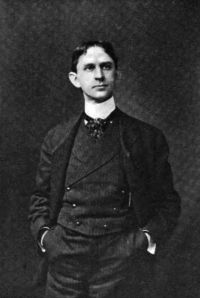
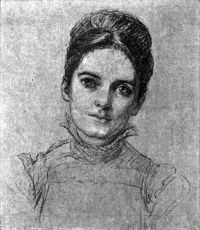
Portrait of A. Mary F. Robinson A. Mary F. Robinson,  The fields of France (1905)

“ The farm grows almost all the necessaries of our table. Our soil is too poor for wheat, but rye and buckwheat flourish on the mountain-sides; whole slopes and ledges, too dry for hay, are a garden of tall, crisp, white flowers, where the buckwheat (sarrazin) waves through August until mid-September. A little before Michaelmas the flowers die, the seed turns gradually black, the stems coral-red; and then the farm-hands come and reap the harvest, bringing great sheets of linen, which they spread in the field, and thrash thereon the grain with high-dancing flails. ”

Source: Gutenberg

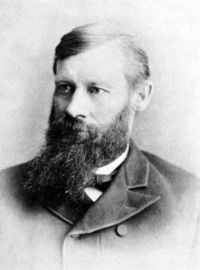
Portrait of Anna Botsford Comstock Anna Botsford Comstock,  How to Keep Bees (1905)

“ The following are the good points of buckwheat as a crop: It is profitable, the grain always brings a good price; it grows well on poor soil; it is one of the best agencies for ridding a field of weeds. There is a certain gameness about buckwheat which we have always admired and which was thus characterised by a farmer of our acquaintance: "Buckwheat is a gritty plant; if it can get its head above ground it will blossom. I have seen it, during dry seasons, blossom when its stalks were so short that the bees had to get down on their hands and knees to gather the honey." ”
Source: Wikisource

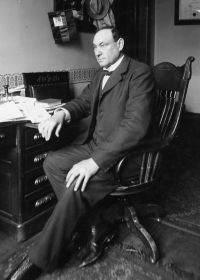
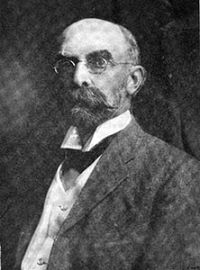
Portrait of Albert Bigelow Paine Albert Bigelow Paine,  The Boys' Life of Mark Twain

“ His carriage led the way on the three-mile drive to the house on the hilltop, and the floral procession fell in behind. Hillsides were green, fields were white with daisies, dogwood and laurel shone among the trees. He was very quiet as we drove along. Once, with gentle humor, looking out over a white daisy-field, he said:
"That is buckwheat. I always recognize buckwheat when I see it. I wish I knew as much about other things as I know about buckwheat."
”
Source: Gutenberg

Get perspective with Kwize: daily news enlightened by great literature