Horsemeat

Definition and stakes

Elizabeth Douglas The soup and sauce book (1903)

Spread the bottom of the pot with butter, or marrow. Pack in pieces of meat, bone, gristle, the carcases of birds, two or three vegetables cut up in small pieces, two cloves, and a bouquet of herbs.
Cover the meat, etc., with cold water. Put on the lid. Heat slowly, and when it boils set back to simmer for four or five hours.
In preparing meat for this stock, look it over carefully; reject any piece which is not perfectly good, also all stuffing, skin, smoked or burnt pieces. A little beef fat can always be retained, but mutton fat should not be used as it is rank in flavour.
Source: Gutenberg

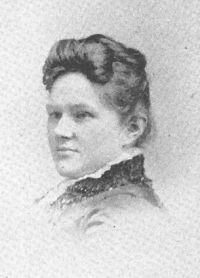
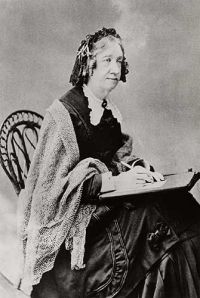
Portrait of Maria Parloa Maria Parloa Miss Parloa's Young Housekeeper

Any kind of meat can be used to make a meat-and-potato hash; but, of course, nothing is so good as corned beef. Cold roast, boiled, or broiled beef, mutton, lamb, veal, or tongue can be freed from skin, fat, and bones, seasoned highly with salt and pepper, and cooked like corned beef hash. Even two or three kinds of meat can be used. If it happens that you have a bit of steak, a part of a chop, and perhaps a slice of tongue, use them all.
Source: Gutenberg

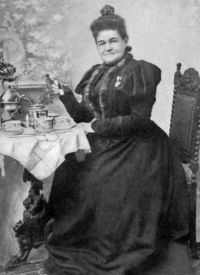
Portrait of Eliza Leslie Eliza Leslie Miss Leslie's New Cookery Book

The lean of good fresh beef is of a bright red color, a fine close grain, and feels tender to the touch on pinching it between your thumb and finger. The fat is firm and very nearly white. The suet about the kidney, firm and quite white. If, on the contrary, the lean is coarse, tough, and of a dull color, and the fat scanty, yellow, and moist, do not buy that meat for any purpose. The same rules will apply to mutton. If the weather is so cold that the meat is frozen, thaw it by lying it all night or early in the morning in a tub of cold water.
Source: Gutenberg

Get perspective with Kwize: daily news enlightened by great literature