Infirmity, broadly defined as a state of physical or mental weakness resulting from illness or deterioration, has long been a subject of reflection in literature and philosophy. Authors such as Diogenes Laërtius framed it as an expression of bodily and spiritual vulnerabilities, comparing mental weaknesses like envy to physical afflictions. Francis Galton emphasized its influence on character, while Florence Nightingale highlighted the frequently misunderstood pain of sickness.
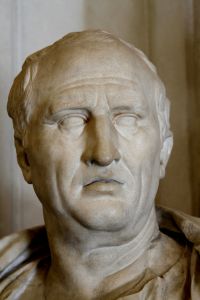
Cicero differentiated infirmity from disease and imperfection, pointing out its link to systemic imbalance. These viewpoints, ranging from ancient to Victorian thought, portray infirmity as both a physical condition and a symbol of human frailty, reflecting persistent concerns about health, resilience, and the relationship between body and mind.
 Diogenes Laërtius,
Lives of the Eminent Philosophers…
(1925)
Diogenes Laërtius,
Lives of the Eminent Philosophers…
(1925)