Intellectual cultivation

Definition and stakes

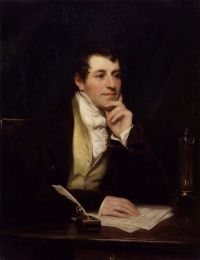
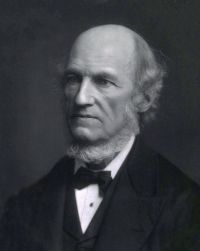
Portrait of John Stuart Mill John Stuart Mill,  Autobiography (Mill) — Chapter V. 1826-1832 (1874)

“ I never turned recreant to intellectual culture, or ceased to consider the power and practice of analysis as an essential condition both of individual and of social improvement. But I thought that it had consequences which required to be corrected, by joining other kinds of cultivation with it. The maintenance of a due balance among the faculties, now seemed to me of primary importance. The cultivation of the feelings became one of the cardinal points in my ethical and philosophical creed. ”
Source: Wikisource

William Withington,  The Growth of Thought as Affecting the Progress of Society

“ Then it is within existing possibilities, that every mind be thoroughly cultivated; and every body taxed for labor, only to the extent required by the conditions of its own best vigor and that of the inhabiting mind. So far afield from truth is the common supposition, that the many can receive but the elements of learning; while the few must sacrifice bodily vigor to excessive intellectual cultivation. Connect with this thought that before advanced of the irresistible tendencies of our intellectual life to one average ”
Source: Gutenberg

Portrait of William Walker Atkinson William Walker Atkinson,  Your Mind and How to Use It: A Manual of Practical Psychology

“ The development and cultivation of the intellectual emotions depend, of course, upon education, training, exercise, and practice. The cultivation of the intellect (which has been referred to, in part, in the previous parts of this book, and which will be again considered in the chapters devoted to the intellect) results in the development and cultivation of the emotions accompanying intellectual effort. ”
Source: Gutenberg

Get perspective with Kwize: daily news enlightened by great literature