Language acquisition

Definition and stakes

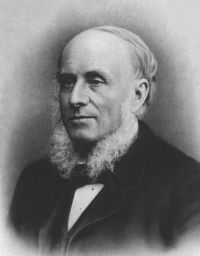
Claude Victor André Marcel,  Popular Science Monthly (1874)

“ The natural application of these principles to the acquisition of our native language offers us an infallible guide and simple processes of marvelous efficacy. By what perversity or blindness are we kept from, the route traced for us by Nature? Why not avail ourselves of those powerful instincts, curiosity and imitation—especial sources of progress in the acquisition of language? Providence has given them to man to accomplish his destiny. It is an aberration of the human mind, it is almost an impiety, to reject them and seek other means for learning a second language. ”
Source: Wikisource

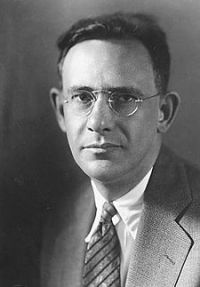
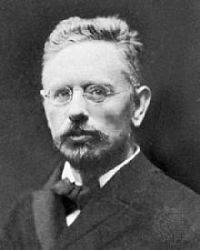
Portrait of Otto Jespersen Otto Jespersen,  Language: Its Nature, Development and Origin

“ It is the same thing with language: the task of the child is to learn an existing language, that is, to connect certain sounds heard on the lips of others with the same ideas that the speakers associate with them, but not in the least to frame anything new. No; if we are seeking some parallel to the primitive acquisition of language, we must look elsewhere and turn to baby language as it is spoken in the first year of life, before the child has begun to ‘notice’ and to make out what use is made of language by grown-up people. ”
Source: Gutenberg

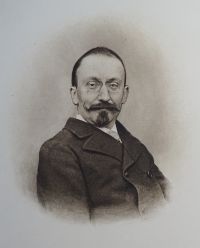
Claude Victor André Marcel,  Popular Science Monthly (1874)

“ Their acquisition is so easy and so rapid, when their study is taken out of the grooves of routine, that a pupil would be able, without neglecting any of the usual studies, to learn and understand half a dozen languages in less time than it would take to learn to speak and write a single one easily and correctly. It is so difficult to speak a foreign language, that in most cases recourse to this art materially hinders international exchange of ideas. ”
Source: Wikisource

Get perspective with Kwize: daily news enlightened by great literature