Liberty of the press

Definition and stakes

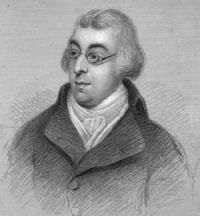
Portrait of Sir John Carr Sir John Carr The stranger in France

The liberty of the press is the palladium of reason, the distributor of light and learning, the public and undismayed assertor of interdicted truth. It is the body and the honour guard of civil and political liberty. Where the laws halt with dread, the freedom of the press advances, and with the subtle activity of conscience, penetrates the fortified recesses and writes its fearful sentence on the palace wall of recoiling tyrants. As an englishman, my expiring sigh should be breathed for its preservation
Source: Gutenberg

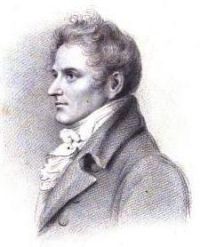
Portrait of Percy Bysshe Shelley Percy Bysshe Shelley The Prose Works of Percy Bysshe Shelley… (1897)

The liberty of the Press is placed as a sentinel to alarm us when any attempt is made on our liberties. It is this sentinel, oh, Irishmen, whom I now awaken! I create to myself a freedom which exists not. There is no liberty of the Press for the subjects of British government.
It is really ridiculous to hear people yet boasting of this inestimable blessing, when they daily see it successfully muzzled and outraged by the lawyers of the Crown, and by virtue of what are called ex officio informations.
Source: Gutenberg

Get perspective with Kwize: daily news enlightened by great literature