Liberty of thought

Definition and stakes

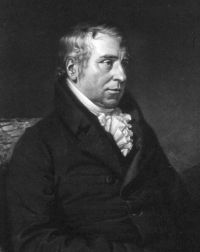
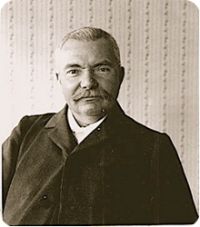
Portrait of Robert Green Ingersoll Robert Green Ingersoll The Works of Robert G. Ingersoll…

If you do not wish to know my thought, I have no right to force it upon you.
The next thing is, that this liberty of thought, this liberty of expression, is of more value than any other thing beneath the stars. Of more value than any religion, of more value than any government, of more value than all the constitutions that man has written and all the laws that he has passed, is this liberty—the absolute liberty of the human mind. Take away that word from language, and all other words become meaningless sounds, and there is then no reason for a man being and living upon the earth.
Source: Gutenberg

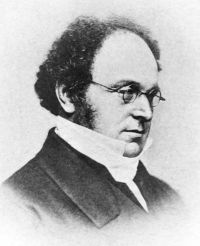
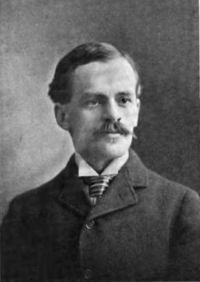
Portrait of John Stuart Mill John Stuart Mill On Liberty (1869)

This, then, is the appropriate region of human liberty. It comprises, first, the inward domain of consciousness; demanding liberty of conscience, in the most comprehensive sense; liberty of thought and feeling; absolute freedom of opinion and sentiment on all subjects, practical or speculative, scientific, moral, or theological. The liberty of expressing and publishing opinions may seem to fall under a different principle, since it belongs to that part of the conduct of an individual which concerns other people;
Source: Wikisource

Guillaume Félice History of the Protestants of France… (1853)

Your principles are that liberty of thought and opinion is an inalienable and indefeasible right. This liberty, gentlemen, is the most sacred of all; it is above the control of men; its refuge is in the depth of the conscience, whither it retreats as to an inviolable sanctuary, where no mortal has the light to penetrate; it is the only liberty that mankind has never submitted to the laws of universal society.
Source: Gutenberg

Get perspective with Kwize: daily news enlightened by great literature