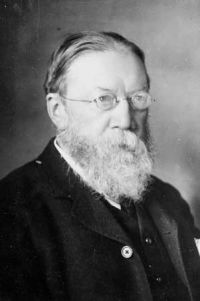
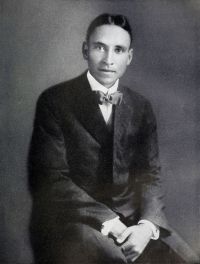
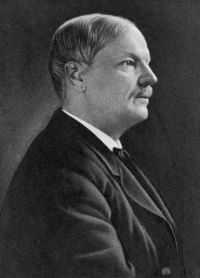
Luminous efficacy refers to the efficiency with which a light source transforms electrical or thermal energy into visible light, measured in lumens per watt. This concept has been explored by scientists and engineers such as Matthew Luckiesh, who analyzed the transformation of radiant energy into light, highlighting the differing efficiency of various wavelengths, and Robert Hunt, who investigated the practical challenges of spreading artificial light.
Marie Curie’s observations on thermo-luminosity and E. Newton Harvey’s research on bioluminescence further demonstrate the varied scientific and biological aspects of light generation. The theme highlights the interaction between physics, biology, and engineering in understanding how light engages with matter and perception.