Midwifery

Definition and stakes

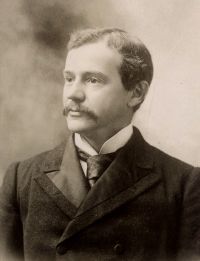
Portrait of Joel Shew Joel Shew,  Midwifery and the diseases of women (1852)

“ It is maintained, viitoo, that say what we may, childbirth is, and must necessarily be, in all civilized societies, a serious thing to enter upon. What woman who has ever passed through this ordeal does not regard it so? and what physician, no matter how old, or experienced, or skillful he may be, does not, every time he enters the lying-in chamber, feel this responsibility to be a great and trying one? Admitting all that can be done by the water-treatment in matters of midwifery, and much, very much, certainly may be—childbirth is yet an agony, and must ever continue so to be. ”
Source: Gutenberg

Portrait of Elizabeth Nihell Elizabeth Nihell,  A Treatise on the Art of Midwifery

“ Most of the surgeons, all the men-midwives, no doubt, many apothecaries, a number of women and nurses maintain, that midwifery is the business of the men: whilst on the other hand, the best part of the able physicians, with many other persons of both sexes, defend the contrary side of the question, and insist on this art being, for many invincible reasons, solely the province of female practitioners. ”
Source: Gutenberg

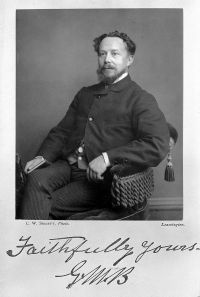
George Morant,  Hints to Husbands: A Revelation of the Man-Midwife's Mysteries

“ Although the easiness of the art of midwifery might have been, among the ancients, a motive for intrusting it to women, they also doubtless had a regard for natural propriety, which suggested that the infant, on coming into the world, should be received into the hands of a midwife, to pass into those of a nurse, and from the hands of the nurse into those of a governess, who should prepare him to receive from men a masculine education. ”
Source: Gutenberg

Get perspective with Kwize: daily news enlightened by great literature