Military strategy, derived from the Greek strategos, refers to the planning and execution of warfare aimed at achieving political goals, highlighting the relationship between armed conflict and state policy. Carl von Clausewitz described it as the "continuation of politics by other means," while B.H. Liddell Hart emphasized the allocation of military assets to serve political objectives.
Eastern traditions, as seen in Sun Tzu’s The Art of War, focus on deception and unconventional methods. Thinkers such as Julian Corbett underscored the importance of naval power in striking enemy forces, Friedrich von Bernhardi connected strategic readiness to political responsibility, and Ronald Reagan highlighted the role of strength in maintaining peace. These viewpoints together illustrate military strategy as a dynamic link between political goals and practical implementation.
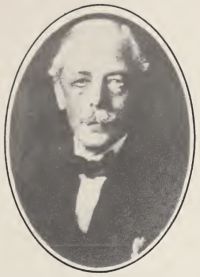 Julian Stafford Corbett,
Some Principles of Maritime Strategy
Julian Stafford Corbett,
Some Principles of Maritime Strategy