Military tribune

Definition and stakes

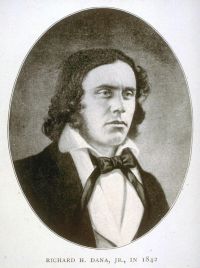
Portrait of Henry William Herbert Henry William Herbert The Roman Traitor, Vol. 2

A military man, by habit as by nature, who had served for more than thirty years as tribune, præfect of allies, commander of a legion, and lastly prætor, all with exceeding great distinction, he knew nearly all the men in his ranks by sight, was acquainted with their services and honors, had led them oftentimes to glory, and was their especial favorite.
Source: Gutenberg

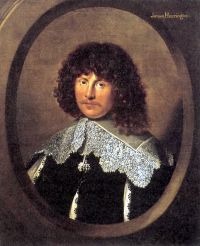
Portrait of James Harrington James Harrington The Commonwealth of Oceana

But you may observe, that whereas the consuls elected the military tribunes, and raised commanded men out of the veterans at their own discretion, our polemarchs, or field officers, are elected by the scrutiny of the Council of War, and our veterans not otherwise taken on than as volunteers, and with the consent of the polemarchs, which may serve for the removal of certain scruples which might otherwise be incident in this place, though without encouragement by the Roman way of proceeding, much less by that which is proposed.
Source: Gutenberg

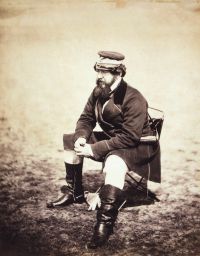
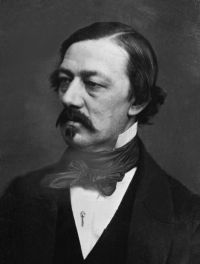
Emperor of the French Napoleon III History of Julius Cæsar, Vol. 1 of 2

The man was worth more than the institutions which had formed him.
The creation of tribunes of the people, whose part became subsequently so important, was, in 260, a new cause of discord; the plebeians, who composed the greater part of the army, claimed to have their military chiefs for magistrates; [98] the authority of the tribunes was at first limited: we may convince ourselves of this by the following terms of the law which established the office: [99] —
“Nobody shall constrain a tribune of the people, like a man of the commonalty, to do anything against his will
Source: Gutenberg

Get perspective with Kwize: daily news enlightened by great literature