Moral habit

Definition and stakes

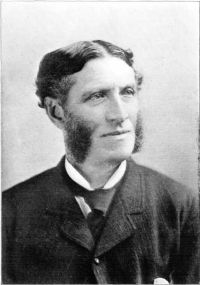
Portrait of F. H. Bradley F. H. Bradley,  Ethical Studies — Essay VI. (1876)

“ The habits we encourage or suffer, we are aware of or might be aware of; we know their moral quality, and hence are responsible for them. Our character formed by habit is the present state of our will, and, though we may not be fully aware of its nature, yet morally it makes us what we are. [16] Our will is not this, that, or the other conscious volition, nor does it exist just so far as we reflect upon it. ”
Source: Wikisource

Durant Drake,  Problems of Conduct: An Introductory Survey of Ethics

“ And the habit of laying aside upon occasion one's instinctive or habitual moral preferences and discussing with open mind their justification and rationality is of great value to the individual and to society. Hence the first two Parts of this volume take up, as simply as is consonant with the really intricate questions involved, the history of the development of human morality and the psychological foundation of moral obligations and ideals. ”
Source: Gutenberg

William Henry Pyle,  The Science of Human Nature: A Psychology for Beginners

“ Most moral situations are fairly definite and clear-cut, and for them we can establish definite forms of response. We can form the habit of helping a person in distress, of helping a sick neighbor, of speaking well of a neighbor; we can form habits of industry, habits of perseverance. These and other similar habits are the basis of morality. ”
Source: Gutenberg

Get perspective with Kwize: daily news enlightened by great literature