Moralization

Definition and stakes

Portrait of John Stuart Mill John Stuart Mill,  Auguste Comte and Positivism

“ The moralization of the personal enjoyments we deem to consist, not in reducing them to the smallest possible amount, but in cultivating the habitual wish to share them with others, and with all others, and scorning to desire anything for oneself which is incapable of being so shared. ”
Source: Gutenberg

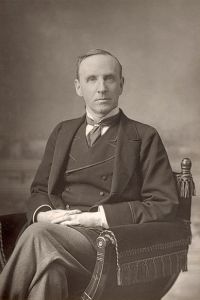
Portrait of F. H. Bradley F. H. Bradley,  Ethical Studies — Essay IV. (1876)

“ One should give to the poor—in what cases and how much? Should sacrifice oneself—in what way and within what limits? Should not indulge one’s appetites—except when it is right. Should not idle away one’s time—except when one takes one’s pleasure. Nor neglect one’s work—but for some good reason. All these points we admit are in one way matter of law; but if you think to decide in particular cases by applying some “categorical imperative,” you must be a pedant, if not a fool.’
Ordinary morality does not hold to each of its laws as inviolable, each as an absolute end in itself.
”
Source: Wikisource

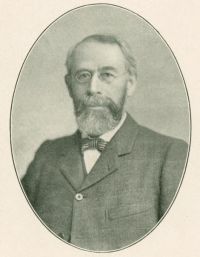
Portrait of George Edward Moore George Edward Moore,  Principia Ethica — Chapter I (1903)

“ Whenever we say, ‘So and so is a good man,’ or ‘That fellow is a villain’; whenever we ask, ‘What ought I to do?’ or ‘Is it wrong for me to do like this?’; whenever we hazard such remarks as ‘Temperance is a virtue and drunkenness a vice’—it is undoubtedly the business of Ethics to discuss such questions and such statements; to argue what is the true answer when we ask what it is right to do, and to give reasons for thinking that our statements about the character of persons or the morality of actions are true or false. ”
Source: Wikisource

Get perspective with Kwize: daily news enlightened by great literature