Municipal police

Definition and stakes

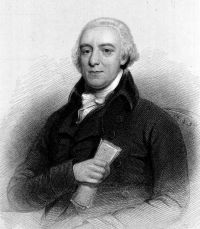
William Walton,  Paris, From the Earliest Period to the Present Day…

“ They are charged with the duty of enforcing the laws and the regulations of the municipal police, the pursuit and arrest of criminals, and they have authority in all controversies and litigations brought before the Tribunals Civils, or those which never appear in court. The immediate chief of the police, or gardiens de la paix, of each arrondissement, is the Officier de Paix, who has his headquarters in the Mairie of that arrondissement, and who is the functionary to appeal to in all matters connected with the public highways. ”
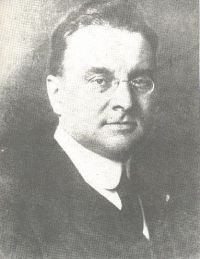
Source: Gutenberg

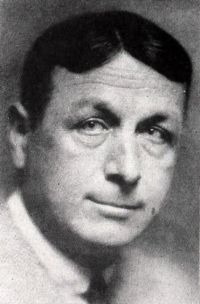
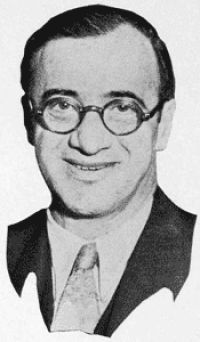
Portrait of Fred A. McKenzie Fred A. McKenzie,  Sober by Act of Parliament

“ The municipal police are solely dependent for pay and promotion on the Local Watch Committee and the Town Council. The Council is often largely controlled by the men who own the public-houses. Now the most obtuse policeman well understands that if he were to lay information against the manager of a house owned by a town councillor, or by the head of one of the local political associations, it would make his prospects of advancement no brighter. ”
Source: Gutenberg

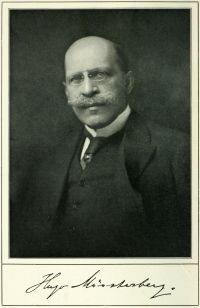
Portrait of H. Sutherland Edwards H. Sutherland Edwards,  Old and New Paris: Its History…

“ The Prefect of Police has beneath his orders all the police of the capital, or rather of the department to which the capital belongs. This service is divided into two special organisations: Municipal Police and Agents of Security. The “Security” force consists of three hundred agents with the title of inspector, commanded by five chief inspectors, ten brigadiers, and twenty sub-brigadiers. These agents are employed in arresting malefactors, and are viewed with intense hatred by the criminal class generally. ”
Source: Gutenberg

Get perspective with Kwize: daily news enlightened by great literature