Opening (chess)

Definition and stakes

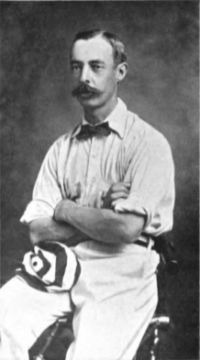
H. E. Bird,  Chess History and Reminiscences

“ We have witnessed, in our day contests brilliant with skilful maneuvers unknown to the sagacious and dexterous chess artists of the Eighteenth century.
Within the last thirty years we have seen the invention of an opening as correct in theory, and as elegant in practice as any upon the board, and of which our fathers were utterly ignorant. The world is not likely to tire of an amusement which never repeats itself, of a game which presents today, features as novel, and charms as fresh as those with which it delighted, in the morning of history, the dwellers on the banks of the Ganges and Indus.
”
Source: Gutenberg

Charlotte Boardman Rogers,  How to Play Chess (1907)

“ CHESS OPENINGS
The opening moves in a game of Chess are of particular importance for it is in them that the strategy of the game is most clearly distinguished from mere Chess tactics. Each opening is intended to develop a certain theory or course of play, and the skill of a Chess player is indicated by his first moves, as they are made of his own free will and not because his adversary forces him to take an aggressive or defensive position, as is often the case in the later development of the game.
”
Source: Wikisource

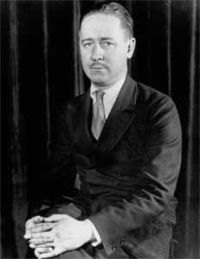
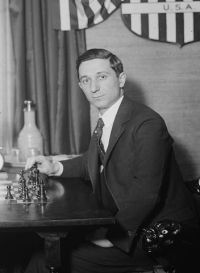
Portrait of Edward Lasker Edward Lasker,  Chess and Checkers : the Way to Mastership

“ Of course, if a player makes bad moves in the opening, that is, moves which do not aim at a speedy mobilization of all pieces, then the opponent may soon have a chance to win the game with moves which are not in accordance with those common sense rules either but which force an immediate issue in a maneuver of a kind that ordinarily does not occur in an opening but is characteristic of the middle game. This is a point which the majority of Chess players overlook. ”
Source: Gutenberg

Get perspective with Kwize: daily news enlightened by great literature