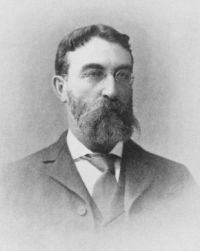
 Hubert Howe Bancroft,
The Native Races of the Pacific States
(1886)
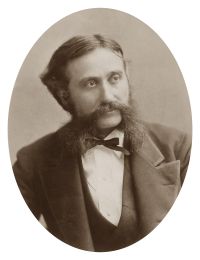
Hubert Howe Bancroft,
The Native Races of the Pacific States
(1886)
“ The order of succession was hereditary and lineal, the eldest son generally succeeding to the throne. The selection of a successor, however, was left to the reigning king, who, when he felt himself to be near his end, was at liberty to choose from among his sons the one whom he thought best fitted to govern. In order to test his capability and accustom him to handling the reigns of government, and that he might have the old monarch's advice, the chosen heir immediately began to exercise the functions of king. ”