Ovation

Definition and stakes

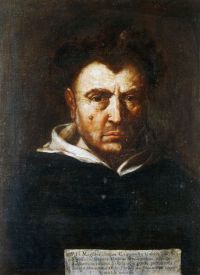
Portrait of Plutarch Plutarch,  Plutarch's Lives (1864)

“ But they who, without force, by colloquy, persuasion, and reasoning, had done the business, to these captains custom gave the honor of the unmilitary and festive ovation. For the pipe is the badge of peace, and myrtle the plant of Venus, who more than the rest of the gods and goddesses abhors force and war. It is called ovation, not, as most think, from thfe Greek euasmus, because they act it with shouting and cries of Eua: for so do they also the proper triumphs. ”
Source: Wikisource

Various,  Popular Science Monthly (1895)

“ Usages which we find in existing semi-civilized societies, justify the conclusion that ovations to a returning conqueror, at first spontaneous expressions of applause and loyalty, gradually pass into ceremonial observances used for purposes of propitiation. It becomes the policy to please the ruler by repetitions of these songs describing his great deeds, and of the dances expressive of joy at his presence. ”
Source: Wikisource

Get perspective with Kwize: daily news enlightened by great literature