Pension (hotel)

Definition and stakes

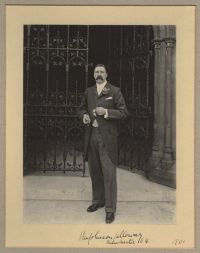
William James Miller,  Wintering in the Riviera

“ It is for the most part a large private house, without, though not always without, the parade of concierge and other distinctive marks of an hotel. As a rule, to which there are exceptions, it is more homely, there is less style in the method of conducting, less appearance about the rooms, and smaller attention paid to service and sanitary arrangements. On the other hand, the company is smaller, and as the people come to remain for periods of time, they fraternize better, and there is a good deal more of the home feeling in a pension than ever finds its way into any hotel. ”
Source: Gutenberg

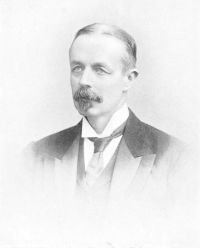
Portrait of Kenneth Grahame Kenneth Grahame,  The Wind in the Willows (1908)

“ Nature’s Grand Hotel has its Season, like the others. As the guests one by one pack, pay, and depart, and the seats at the table-d’hote shrink pitifully at each succeeding meal; as suites of rooms are closed, carpets taken up, and waiters sent away; those boarders who are staying on, en pension, until the next year’s full re-opening, cannot help being somewhat affected by all these flittings and farewells, this eager discussion of plans, routes, and fresh quarters, this daily shrinkage in the stream of comradeship. ”
Source: Gutenberg

Eliot Gregory,  Worldly Ways & Byways

“ The pension when it exists abroad, is only an exotic growth for an American market. Among European nations it is undreamed of; the poorest when they travel take furnished rooms, where they are served in private, or go to restaurants or table d’hôtes for their meals. In a strictly continental hotel the public parlor does not exist. People do not travel to make acquaintances, but for health or recreation, or to improve their minds. The enforced intimacy of our American family house, with its attendant quarrelling and back-biting, is an infliction of which Europeans are in happy ignorance. ”
Source: Gutenberg

Get perspective with Kwize: daily news enlightened by great literature