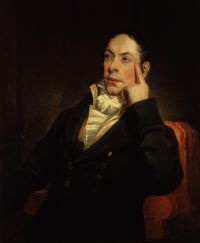
Perfidy, the intentional violation of good faith to secure a military advantage, constitutes a war crime under international law, particularly the Geneva Conventions. It encompasses deceptive actions such as false surrender or the improper use of protective symbols to exploit an enemy’s weakness. Writers have long wrestled with its ethical consequences: in The Book of the Thousand Nights and One Night, a character cautions against perfidy as an intrinsic human failing, while Edward Gibbon denounced it as a means of political corruption.
Adam Smith associated it with the decline of moral character, and Hannah More depicted it as a betrayal of responsibility. These diverse portrayals highlight perfidy’s dual nature—as both a strategic tool and a manifestation of human deceit—legally forbidden yet consistently embedded in stories of conflict and morality.