Political representation

Definition and stakes

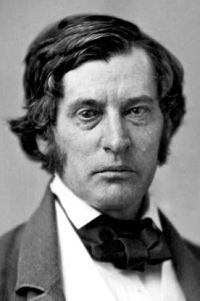
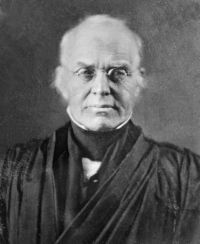
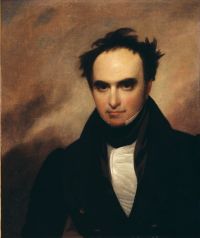
Portrait of Daniel Webster Daniel Webster The Great Speeches and Orations of Daniel Webster

Now, fellow-citizens, if your patience will hold out, I will venture, before proceeding to the more appropriate and particular duties of the day, to state, in a few words, what I take these American political principles in substance to be. They consist, as I think, in the first place, in the establishment of popular governments, on the basis of representation; for it is plain that a pure democracy, like that which existed in some of the states of Greece, in which every individual had a direct vote in the enactment of all laws, cannot possibly exist in a country of wide extent.
Source: Gutenberg

Portrait of Daniel Webster Daniel Webster Daniel Webster for Young Americans

A popular government of this extent, it was evident, could be framed only by carrying into full effect the principle of representation or of delegated power; and the world was to see whether society could, by the strength of this principle, maintain its own peace and good government, carry forward its own great interests, and conduct itself to political renown and glory.
Source: Gutenberg

Portrait of Daniel Webster Daniel Webster The Great Speeches and Orations of Daniel Webster

Now, the basis of this representation is suffrage. The right to choose representatives is every man's part in the exercise of sovereign power; to have a voice in it, if he has the proper qualifications, is the portion of political power belonging to every elector. That is the beginning. That is the mode in which power emanates from its source, and gets into the hands of conventions, legislatures, courts of law, and the chair of the executive. It begins in suffrage. Suffrage is the delegation of the power of an individual to some agent.
Source: Gutenberg

Get perspective with Kwize: daily news enlightened by great literature