Potter's wheel

Definition and stakes

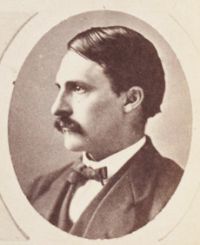
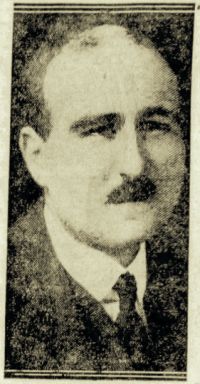
Portrait of Charles Fergus Binns Charles Fergus Binns,  The Potter's Craft: A Practical Guide for the Studio and Workshop

“ Much of the glamour of the potter's art is associated with the wheel. Poets have sung its praise and artists have delighted in its rhythmic motion, but alas! the wheel as a commercial method of manufacture is doomed to extinction. It cannot compete with the precision and speed of machinery. It devolves, therefore, upon the artist potter to maintain the wheel in its rightful place as, par excellence, the potter's tool.
No clay worker's studio should be without a wheel, but the particular form of wheel depends upon the nature of the circumstances under which it is to be employed.
”
Source: Gutenberg

Jennie J. Young,  The Ceramic Art

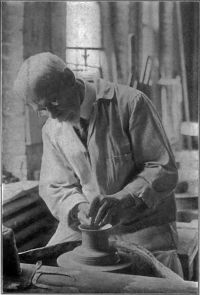
“ A piece of clay, large or small, as required, is thrown down on the revolving disk, and, as it whirls round, is formed by the potter’s hand into the requisite shape. The potter’s wheel is one of the oldest mechanical appliances in existence. Its invention was due to the desire of remedying the irregularities of handiwork, and as such was a valuable and in every way wonderful achievement. It brought symmetry and all the varieties of circular form within the potter’s reach. Its inventor is unknown. The prehistoric vases of Greece were made upon the wheel. ”
Source: Gutenberg

Various,  Popular Science Monthly (1899)

“ Resting the vessel on a block and revolving it with his feet is certainly the initial step toward the potter's wheel, but so simple an expedient must not be regarded as having any relation to the true potter's wheel, which originated in regions where other kinds of wheels revolving on pivots were known. ”
Source: Wikisource

Get perspective with Kwize: daily news enlightened by great literature