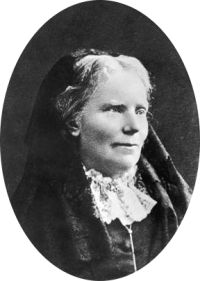
Primary education denotes the initial stage of formal learning, typically covering ages 5 to 14, and is designed to provide fundamental literacy, numerical skills, and introductory knowledge across various subjects. It functions as a cornerstone for future academic and social growth and is universally acknowledged as ISCED Level 1. Scholars such as Richard Temple compare it to a "plinth" that supports higher education, while Giovanni Gentile stresses the importance of university involvement in revitalizing primary instruction.
Frank W. Blackmar points to its democratization, highlighting its transition from an elitist system to a universal one, and Michel Chevalier contrasts its practical orientation in the U.S. with more theoretical approaches found in Europe. These viewpoints emphasize primary education’s dual function as both a technical base and a societal pillar, shaping individuals' abilities to think critically and engage in civic life.