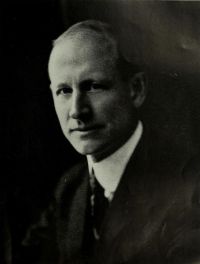
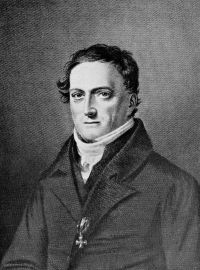
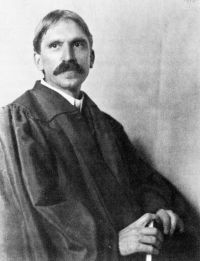
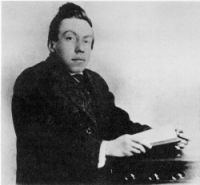
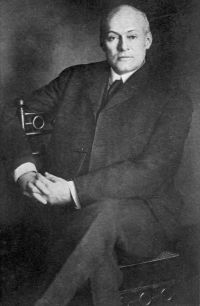
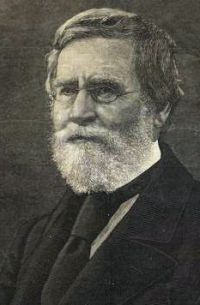
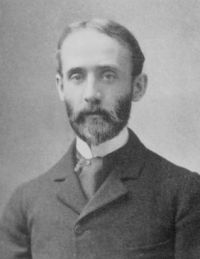
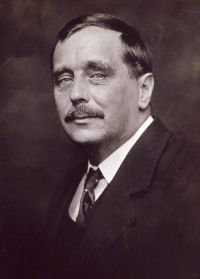
A curriculum denotes the structured framework of educational experiences designed to achieve specific learning objectives, encompassing direct instruction, implicit cultural norms, subtle influences, and extracurricular activities. Authors such as John Dewey emphasized its role in promoting real-world relevance, while Charles Hubbard Judd highlighted its central role in shaping educational policy.
Richard Roberts stressed the educator’s responsibility to align curricular content with societal needs, and Frank Pierrepont Graves viewed it as a dynamic instrument for addressing practical life challenges. Meanwhile, Johann Friedrich Herbart advocated for balanced curricula that prevent intellectual bias. These perspectives collectively reveal a curriculum as both a planned guide and a flexible, adaptive process, reflecting societal values while accommodating individual and contextual diversity.
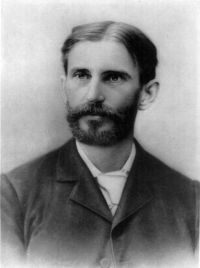 George Trumbull Ladd,
Popular Science Monthly
(1912)
George Trumbull Ladd,
Popular Science Monthly
(1912)