Railway rate

Definition and stakes

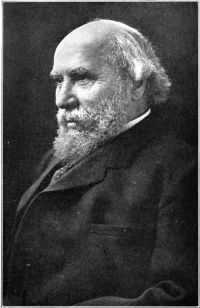
Portrait of James J. Hill James J. Hill,  The Country's Need of Greater Railway Facilities and Terminals

“ A railroad has no other source of income, generally speaking, than receipts from rates. These have steadily declined. While the price of everything else rises, the price of transportation falls. The average freight rate per ton per mile received by the railroads of the United States fell from 9.27 mills in 1890 to 7.53 mills in 1910. This is partly the effect of legislative regulations and the orders of public commissions, and partly due to voluntary [11] reductions made possible by increased efficiency and increase in the density of traffic. ”
Source: Gutenberg

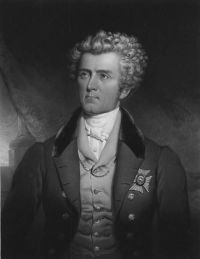
Joseph Tatlow,  Fifty Years of Railway Life in England…

“ Thus Parliament, yielding to popular clamour, stultified itself, and in feverish haste to placate an angry and noisy public tied the hands of the railway companies, doing, I believe, more harm than good. This legislation naturally made the companies very cautious in reducing a rate because of the difficulties to be encountered should circumstances require them to raise it again, and railway rates thus lost that element of elasticity and adaptability so essential to the development of trade. ”
Source: Gutenberg

William Zebina Ripley,  Railroads: Rates and Regulations

“ The aim of all rate adjustment should be, and in fact, so far as possible in American railway practice, is to equalize conditions, so that the widest possible market shall result. Producers or traders in each city demand access on even terms to all territory naturally tributary to them by reason of their geographical location. Each particular railroad sees to it that its own patrons and cities are "held" in all parts of these markets, as against the efforts of competing railways to promote the welfare of their own constituencies. ”
Source: Gutenberg

Get perspective with Kwize: daily news enlightened by great literature