Reed warbler

Definition and stakes

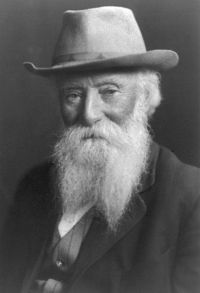
Portrait of Aristotle Aristotle,  History of Animals (Thompson)… (1910)

“ The reed-warbler makes its living as easily as any other bird, sits in summer in a shady spot facing the wind, in winter in a sunny and sheltered place among reeds in a marsh; it is small in size, with a pleasant note. The so-called chatterer has a pleasant note, beautiful plumage, makes a living cleverly, and is graceful in form; it appears to be alien to our country; at all events it is seldom seen at a distance from its own immediate home. ”
Source: Wikisource

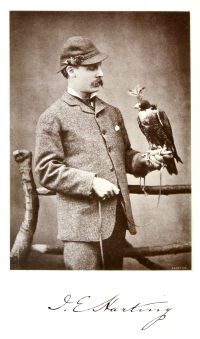
Henry Eliot Howard,  Territory in Bird Life

“ Neither the Marsh-Warbler nor the Reed-Warbler will tolerate strangers within the small space of ground over which they exercise dominion. Of the two, the Marsh-Warbler is perhaps the more pugnacious, and will attack any other Warbler that approaches too closely; Whitethroats are often pursued and driven away, and less frequently, Garden-Warblers. In one case, a male occupied the same ground as a Sedge-Warbler, and there was a constant feud between them ”
Source: Gutenberg

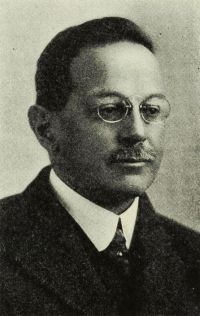
Portrait of Richard Kearton Richard Kearton,  Nature's carol singers (1906)

“ On account of its great similarity of size, general appearance, and habitat, this rare British breeding species was long confounded by naturalists with the Reed Warbler.
The bird is greenish-olive on its upper parts, and lacks the rusty-red rump and sides of the commoner species. Its under parts are white, slightly tinged with yellowish-buff on the sides where the Reed Warbler is reddish buff. Its legs are pale flesh-brown in colour, whereas those of its relative are dark slaty-brown.
”
Source: Gutenberg

Get perspective with Kwize: daily news enlightened by great literature