Blackcap

Definition and stakes

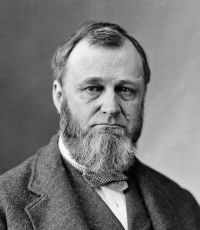
W. Warde Fowler,  A Year with the Birds

“ But they differ in two points: the strain of the Blackcap is shorter, forming in fact one lengthened phrase “in sweetness long drawn out,” while the Garden-warbler will go on almost continuously for many minutes together; and secondly, the Blackcap’s music is played upon a mellower instrument. The most gifted Blackcaps—for birds of the same species differ considerably in their power of song—excel all other birds in the soft quality of their tone, just as a really good boy’s voice, though less brilliant and resonant, excels all women’s voices in softness and sweetness. ”
Source: Gutenberg

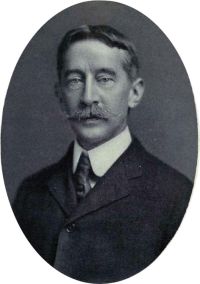
Portrait of William Sharp William Sharp,  Where the forest murmurs (1906)

“ At the rising of the moon I have heard the cuckoos calling well after the date when they are supposed to be silent, and near midnight have known the blackcap fill a woodland hollow in Argyll with a music as solitary, as intoxicating, as that of a nightingale in a Surrey dell. The thrush, the blackbird, the blackcap, the willow-warbler and other birds may often be heard singing in the dusk, or on moonlit nights, in a warm May: and doubtless it is for this reason that many people declare they have heard the nightingale even in regions where that bird never penetrates. ”
Source: Gutenberg

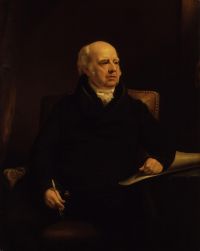
W. Warde Fowler,  A Year with the Birds

“ If the Blackcap were not a Sylvia, he could not well be scientifically named after his black head, for other birds, such as Titmice, have also black heads, and I have frequently heard the Cole Tit described as the Blackcap. In any case he should perhaps have been named after his wonderful faculty of song, in which he far excels all the other birds of our three groups. Most people know the Blackcap’s song who have ever lived in the country, for you can hardly enter a wood in the summer without being struck by it ”
Source: Gutenberg

Get perspective with Kwize: daily news enlightened by great literature