The moorhen, a freshwater bird renowned for its adaptability and striking plumage, has long been a subject of observation and literary mention in various contexts. Naturalists such as Charles Dixon and Philip Henry Gosse emphasize its habitat in reedy wetlands and its wary behavior, while writers like Jerome K.
Jerome capture its melancholic call in evocative settings. Washington Irving, though focusing on a Moorish character, highlights the cultural significance of such names, and Grant Allen links the moorhen to the trials of rural life. These differing viewpoints together present the moorhen as both a symbol of nature’s endurance and a subdued companion to human stories.
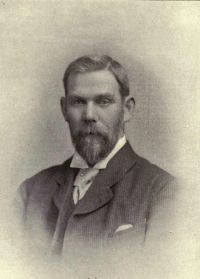 Charles Dixon,
Among the Birds in Northern Shires
Charles Dixon,
Among the Birds in Northern Shires