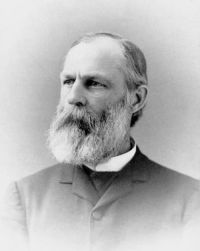
A religious tract is a concise written work promoting spiritual teachings, often aimed at evangelism or moral guidance. Authors such as William Douglass emphasized Christian moral influence, while the Religious Tract Society systematized its distribution through printed materials. William James examined religion’s institutional aspects, contrasting them with personal faith, and Theodore Parker critiqued ritualistic formality, advocating for sincere piety.
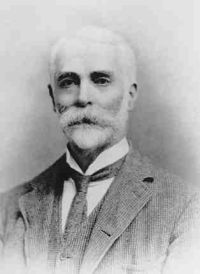
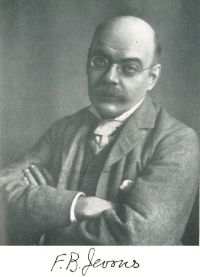
Bernard Bosanquet highlighted religion’s role in fostering inner devotion, and F. B. Jevons analyzed rituals as communal acts of reconciliation. These varied perspectives underscore the tract’s dual role as both a doctrinal instrument and a catalyst for individual spiritual reflection.