Retail trade

Definition and stakes

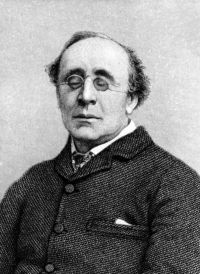
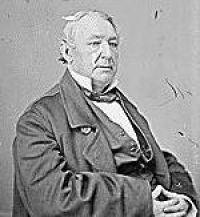
Portrait of John Stuart Mill John Stuart Mill,  Principles of Political Economy (1871)

“ When indeed the market, being that of a great city, holds out a sufficient inducement to large capitalists to engage in retail operations, it is generally found a better speculation to attract a large business by underselling others, than merely to divide the field of employment with them. This influence of competition is making itself felt more and more through the principal branches of retail trade in the large towns ”
Source: Wikisource

J. A. Hobson,  The Evolution of Modern Capitalism…

“ In retail trade, however, the economic gain is less universal. Since retail commodities are chiefly for use in the home, and homes are widely distributed, the convenience of being near one's customers and away from trade competitors is often a predominating motive. Shops which sell bread, meat, fish, fruit, groceries, articles which are bought frequently and mostly in small quantities, shops selling cheaper articles of ordinary consumption, such as tobacco, millinery, stationery, and generally shops selling articles for domestic use, the purchase of which falls to women, are widely dispersed. ”
Source: Gutenberg

J. A. Hobson,  The Evolution of Modern Capitalism…

“ Effective competition in retail trade sometimes requires concentration, sometimes dispersion of business. But the most characteristic modern movement in retail trade is a combination of the centralising and dispersive tendencies, and is related to the enlargement of the business-unit which we found proceeding everywhere in industry. The large distributing company with a number of local branch agents, who call regularly at the house of the consumer for orders, is the most highly organised form of retail trade. ”
Source: Gutenberg

Get perspective with Kwize: daily news enlightened by great literature