Revenue cutter

Definition and stakes

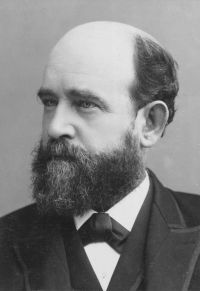
Portrait of Frederick Marryat Frederick Marryat The Three Cutters

Jeannette, who was the fille de cabaret, soon appeared with a bottle of wine, seldom called for, except by the captain of the Happy-go-lucky.
“You sail to-night?” said she, as she placed the bottle before him.
Pickersgill nodded his head.
“I had a strange dream,” said Jeannette; “I thought you were all taken by a revenue-cutter, and put in a cachot. I went to see you, and I did not know one of you again—you were all changed.”
“Very likely, Jeannette; you would not be the first who did not know their friends again when in misfortune. There was nothing strange in your dream.”
Source: Gutenberg

Portrait of Frederick Marryat Frederick Marryat The Three Cutters (1836)

The boat was shoved off from the sloop by the smugglers, and was soon lost sight of in the fog, which had now covered the revenue boats as well as the yacht, at the same time it brought down a breeze from the eastward.
“Haul to the wind, Morrison,” said Pickersgill, “we will stand out to get rid of the boats; if they pull on they will take it for granted that we shall run into the bay, as will the revenue-cutter.”
Source: Wikisource

Portrait of Frederick Marryat Frederick Marryat The Three Cutters

The Happy-go-lucky was about four miles off Portland Head, and well into West Bay. The revenue-cutter was close to the Head. The yacht was outside of the smuggler, about two miles to the westward, and about five or six miles from the revenue-cutter.
“Two vessels in sight, sir,” said Mr Smith, coming down into the cabin to Mr Appleboy.
“Very well,” replied the lieutenant, who was lying down in his standing bed-place.
“The people say one is the Happy-go-lucky, sir,” drawled Smith.
“Heh? What! Happy-go-lucky? Yes, I recollect; I’ve boarded her twenty times—always empty. How’s she standing?”
Source: Gutenberg

Get perspective with Kwize: daily news enlightened by great literature