Ridge (agriculture)

Definition and stakes

Anthony Florian Madinger Willich,  Domestic Encyclopædia (1802)

“ A remarkable instance of rural industry, in rendering a wet clayey soil uncommonly productive, occurs in the 28th volume of the Annals of Agriculture. The land was two perches in width, and gently arched up, so that the crown of the ridge was about 2, or 2 1/2 feet higher than the bottom of the furrow. These ridges were gently rounded off, so as to describe the form of a segment of a very large circle, then disposed into double beds, and well manured. The fertility of the soil was farther promoted, by adapting the course of crops to its nature ”

Source: Wikisource

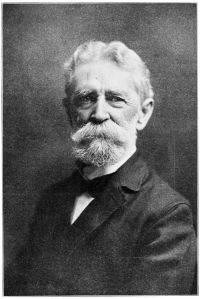
Portrait of David Livingstone David Livingstone,  The Last Journals of David Livingstone…

“ Then the ridges on which they planted maize, beans, cassava, and sorghum, and which they find necessary to drain off the too abundant moisture of the rains, still remain unlevelled to attest the industry of the former inhabitants; the soil being clayey, resists for a long time the influence of the weather. These ridges are very regular, for in crossing the old fields, as the path often compels us to do, one foot treads regularly on the ridge, and the other in the hollow, for a considerable distance. ”
Source: Gutenberg

Get perspective with Kwize: daily news enlightened by great literature