Secular education

Definition and stakes

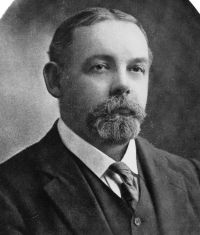
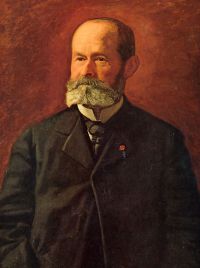
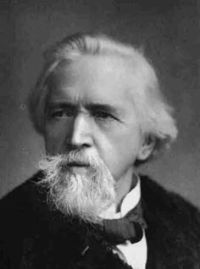
Portrait of George Jacob Holyoake George Jacob Holyoake,  The Principles of Secularism

“ The advocate of Secular education may be, and generally is, also an advocate of religion; but he would teach religion at another time and treat it as a distinct subject, too sacred for coercive admixture into the hard and vexatious routine of a school. He would confine the inculcation of religion to fitting seasons and chosen instruments. He holds also that one subject at a time is mental economy in learning. Secular education is the policy of a school—Secularism is the policy of life to those who do not accept Theology. ”
Source: Gutenberg

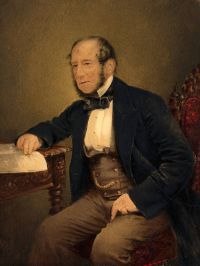
Portrait of John Ruskin John Ruskin,  Fors Clavigera (Volume 5 of 8) (1871)

“ Huxley and Co. call ‘Secular education’? Or with what either the Bishop of Oxford, or Mr. Spurgeon, would call ‘Religious education’?
What to admire, or wonder at! Do you expect a child to wonder at—being taught that two and two make four— (though if only its masters had the sense to teach that, honestly, it would be something) —or at the number of copies of nasty novels and false news a steam-engine can print for its reading?
What to hope? Yes, my secular friends—What? That it shall be the richest shopman in the street; and be buried with black feathers enough over its coffin?
”
Source: Gutenberg

Various,  The Catholic World, Vol. 14, October 1871-March 1872

“ Secular education, when properly applied, should not be undervalued, inasmuch as we have duties in this life to be performed, to ourselves, our country, and our fellow-man; but it should be tempered and permeated, so to speak, with religious instruction, so that the learner, as his mental faculties expand with his years, may be gradually but constantly led to the knowledge of those divine truths which the church teaches her children, and his character thus be insensibly formed on a true Christian basis. ”
Source: Gutenberg

Get perspective with Kwize: daily news enlightened by great literature